Magic AI is revolutionizing the AI industry with the introduction of the new LTM-2-mini language model. This model can process a context of up to 100 million tokens, which significantly exceeds the previous scope.
LTM-2-mini is capable of understanding the entire code, literature, and documentation of large software projects. This is a significant advance, as previous models were mostly limited to much smaller contexts during inference. By accessing an enormous amount of data within a project, LTM-2-mini cansignificantly improve the process ofcode generation and revision.
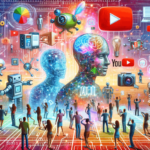
Software Engineering & AI – created by AI Rockstars with MidJourney
The introduction of LTM-2-mini comes at a time of increasing competition in the AI sector, with companies such as OpenAI and Google also presenting groundbreaking advances. With LTM-2-mini, Magic AI is specifically targeting the software development sector. The possible applications are diverse, ranging fromautomated code checking and correctionto theefficient management of entire software libraries.
A particularly noteworthy aspect is the model’s ability to process not only code, but also the associated documentation and error reports that occur. This enables more efficient and accurate debugging and troubleshooting. Furthermore, LTM-2-mini could change the way development teams work together by providing a deeper understanding and better traceability of the code.
Summary:
Magic AI’s LTM-2-mini:New language model with 100 million tokens context window.
Industry:Targeted at the software development sector.
Features:Improves code generation and information management by accessing comprehensive project data.
Significance:Potential to revolutionize software development through greater efficiency and accuracy.
Competition:Presented amid advances by competitors such as OpenAI and Google.
Florian Schröder ist Gründer von AI Rockstars, KI-Stratege und Prompt Engineer. Er berät Unternehmen bei der praktischen Implementierung von generativer KI und Automation.
Wir verwenden Technologien wie Cookies, um Geräteinformationen zu speichern und/oder darauf zuzugreifen. Wir tun dies, um das Surferlebnis zu verbessern und um personalisierte Werbung anzuzeigen. Wenn Sie diesen Technologien zustimmen, können wir Daten wie das Surfverhalten oder eindeutige IDs auf dieser Website verarbeiten. Wenn Sie Ihre Zustimmung nicht erteilen oder zurückziehen, können bestimmte Funktionen beeinträchtigt werden.
Funktional
Immer aktiv
Die technische Speicherung oder der Zugang ist unbedingt erforderlich für den rechtmäßigen Zweck, die Nutzung eines bestimmten Dienstes zu ermöglichen, der vom Teilnehmer oder Nutzer ausdrücklich gewünscht wird, oder für den alleinigen Zweck, die Übertragung einer Nachricht über ein elektronisches Kommunikationsnetz durchzuführen.
Vorlieben
Die technische Speicherung oder der Zugriff ist für den rechtmäßigen Zweck der Speicherung von Präferenzen erforderlich, die nicht vom Abonnenten oder Benutzer angefordert wurden.
Statistiken
Die technische Speicherung oder der Zugriff, der ausschließlich zu statistischen Zwecken erfolgt.Die technische Speicherung oder der Zugriff, der ausschließlich zu anonymen statistischen Zwecken verwendet wird. Ohne eine Vorladung, die freiwillige Zustimmung deines Internetdienstanbieters oder zusätzliche Aufzeichnungen von Dritten können die zu diesem Zweck gespeicherten oder abgerufenen Informationen allein in der Regel nicht dazu verwendet werden, dich zu identifizieren.
Marketing
Die technische Speicherung oder der Zugriff ist erforderlich, um Nutzerprofile zu erstellen, um Werbung zu versenden oder um den Nutzer auf einer Website oder über mehrere Websites hinweg zu ähnlichen Marketingzwecken zu verfolgen.